
Leaks and plumbing issues can range from annoying to downright disastrous. What might begin as a drip from a faucet or a slow draining sink can turn into water damaged cabinets, ceiling stains or unusable rooms if ignored. Here’s how to tell when plumbing problems are more than they seem and need professional help.
Plumbing problems don’t always make themselves known right away and when they do, the actual problem is not always where you first notice something is amiss. Knowing when a plumbing problem needs professional help instead of a quick fix can save you from turning something manageable into a full blown mess.
Some warning signs are easy to miss
Plumbing issues that require professional help sometimes announce themselves with leaks from fixtures, constantly running toilets, backups in your sink and other noticeable problems. At other times, clues to plumbing problems that need professional help include a gradual rise in your water bill or a musty smell near a floor or wall.
No matter what the problem, keep in mind that what you notice may not be the cause of the problem, just a symptom. For instance, if one drain is slow to empty, the cause could be as simple as hair or soap scum near the drain opening. Multiple slow drains, however, could be an indication of a clog deeper in the lines. The same logic applies to toilet clogs and backups in fixtures on lower levels of your home.
Signs that you may have plumbing issues that need professional help include:
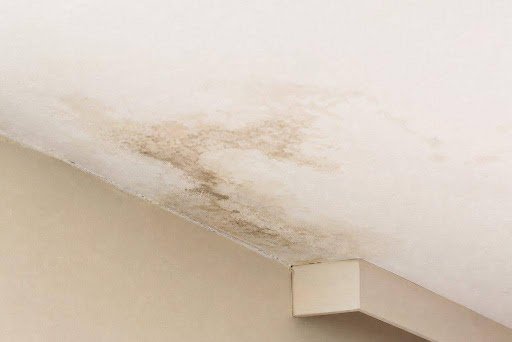
- Stains on ceilings, walls and floors
- Gurgling noises coming from toilets and drains
- Continuously low water pressure
- Dampness around pipes, appliances and cabinets
- Sewer smells around drains and inside your home
- Water heater that delivers hot and cold inconsistently
A quick fix only goes so far
Plumbing issues that merit professional help sometimes can be easily remedied with basic maintenance and repair techniques. Learning how to use a plunger properly (I bookmarked www.en.wikipedia.org/wiki/Plunger for this), for instance, can resolve many minor clogs. So can replacing a worn washer on a dripping faucet or cleaning out a sink stopper. If you know where the main shutoff valve on your home’s water supply is located, you’ll be better prepared for plumbing emergencies.
On the other hand, using drain chemicals regularly to combat stubborn clogs won’t necessarily solve the problem and could wreak havoc on older pipes. For local help, Rely on 1-Tom-Plumber for Des Moines Plumbing Issues. Leaks beneath sinks can range from simple to serious depending on the cause, which could include a corroded pipe, faulty valve or loose fitting.
Water damage has a way of snowballing. Figuring out whether a plumbing issue is affecting only one fixture or is indicative of a bigger plumbing problem within your home’s water supply or drainage system will help you determine whether your plumbing issue can wait or needs same day (or immediate, in some cases) professional help.
Some jobs belong with the pros
- There’s little or no water pressure throughout your home. The cause could range from a problem with your water supply line to faulty valves to a serious clog.
- You see water where you shouldn’t. Leaks around your water heater, beneath your floors or behind walls should be addressed promptly.
- Clogs and backups occur frequently. This could be an indication of broken pipes, excessive buildup or a serious clog somewhere in your drainage system.
- Your toilet backs up repeatedly. Getting rid of the mess is only half the battle if the real problem remains.
- Your water tastes, smells or appears differently than it used to. There are a number of potential causes including sediment, faulty plumbing components and other problems that need to be diagnosed.
- Your water heater is acting up. Whether it’s leaking, making rumbling noises or not heating your water consistently, leave water heaters to the pros because they present a number of hazards including pressure, electricity and gas.
Small checks can prevent bigger trouble
Plumbing problems can strike at any time, particularly in older homes. There are steps you can take, however, to keep minor issues from snowballing into major plumbing problems that need professional help:
- Don’t dump food scraps, wipes, hygiene products or grease down your drain
- Be on the lookout for drips around toilets and under sinks
- Know how to flush your water heater and do it as directed
- Don’t ignore changes in your water pressure or drainage
After your plumber leaves, give your repaired plumbing a once-over in a day or so to make sure there are no leaks, strange sounds or other issues. Repaired pipes and fittings should remain dry, cleared drains should stay cleared.
Acting fast when you first notice a plumbing issue can prevent bigger problems down the road including burst pipes and sewage backups. Keep a plunger nearby and learn how to turn off your home’s water supply. And, of course, don’t write off recurring plumbing issues as unrelated. If you do notice an active leak, turn off the water supply to the affected area or the main water shutoff for your entire home and jot down where you’re noticing the leak before having a plumber come out to inspect your plumbing.